The Hidden Cost of Going It Alone: Why Design Planning Saves You More Than You Think
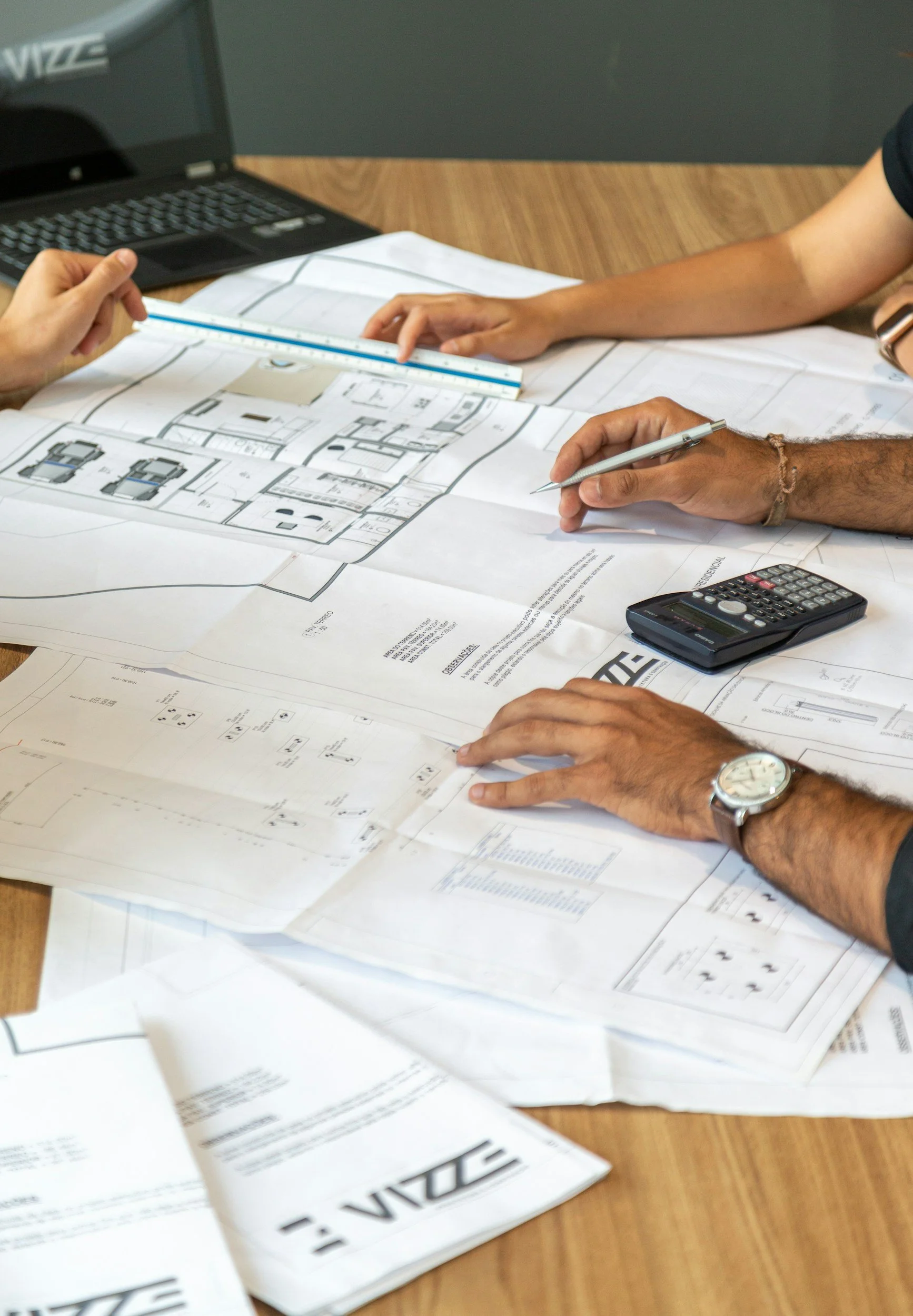
Renovations always start with excitement: a vision, a mood board, that first spark of possibility. Then reality sets in. Measurements, lead times, layout decisions, contractor questions you didn’t know existed. Before you know it, you’re juggling things you never planned to manage.
This is where design planning becomes a lifesaver — and a major cost-saver.
1. In renovations, every decision affects three others.
Move one light, change a cabinet dimension, pick the wrong tile size… and suddenly plumbing, electrical, or materials all need to shift. Designers understand how these pieces interact and plan the sequence so nothing becomes a surprise.
2. Most “design mistakes” show up after it’s too late.
That’s the painful part.
Things like:
• Pendants hung too low
• Sconces misaligned with mirrors
• Sofas too big for the walkway
• Tile patterns landing awkwardly at the edges
Fixing mistakes after installation means paying twice. Designers catch these issues on paper before anything is installed.
3. Contractors build. Designers direct.
Contractors aren’t meant to guess at your vision. When instructions are vague, they fill in the blanks based on habit. A designer provides drawings, specs, placements, and clear instructions so the build matches the vision.
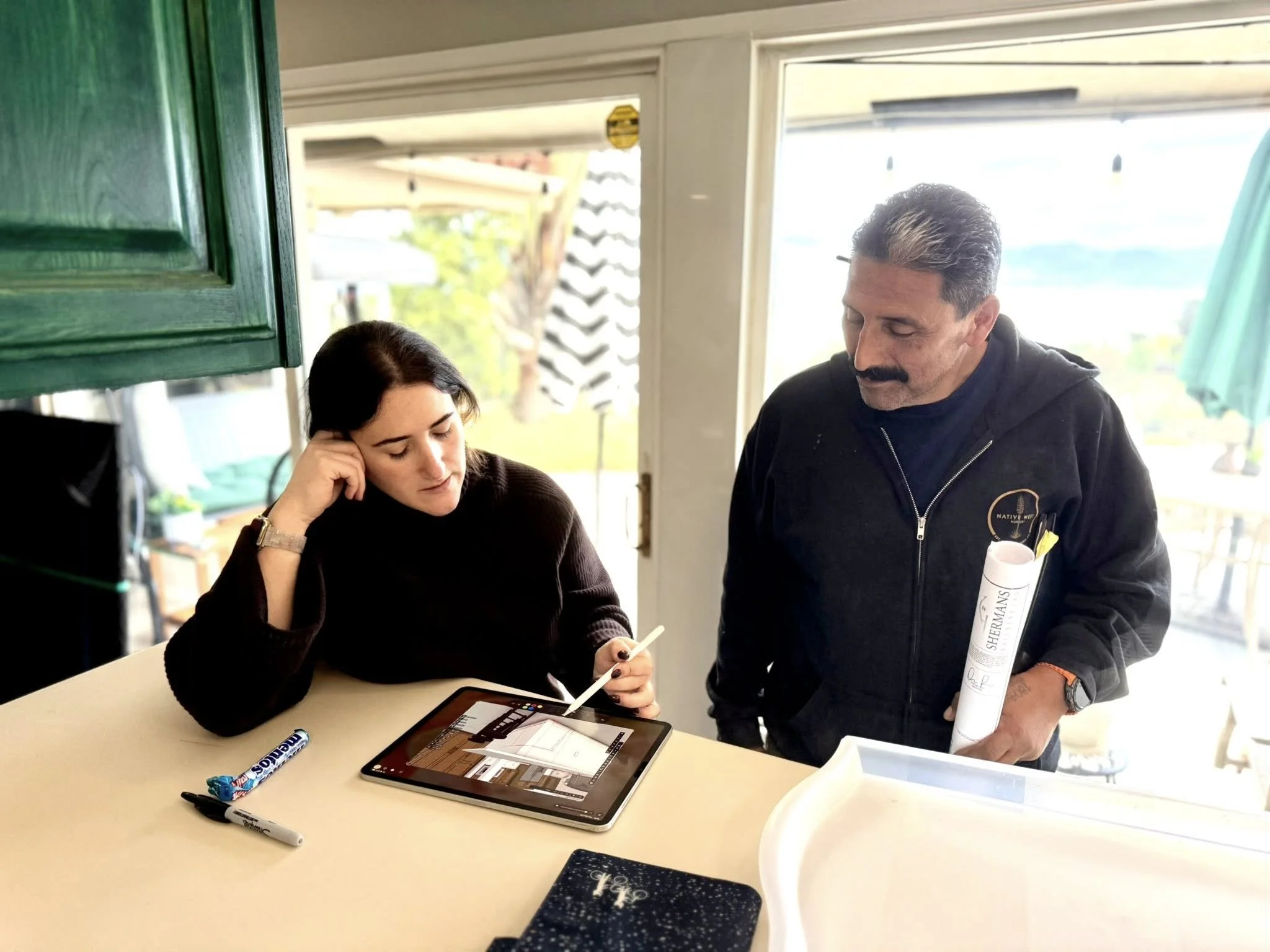
Dave (right) and I (left) are always making sure —probably a thousand times— every single element we create is functional, safe, and effective.
4. Timing can make or break a project.
Lead times, shipping delays, backorders, sequencing of trades — it all matters more than people realize. Designers create timelines that keep everything flowing instead of stalling.
5. A designer’s real skill is anticipation.
Not just picking fixtures. Imagining the way light moves through the room. Knowing how materials age. Sizing furniture so the space feels effortless. Seeing the tiny details that create long-term comfort.
6. Planning saves money, time, and energy.
You avoid reorders, delays, rushed decisions, and stress. The project feels lighter and more organized because someone is guiding you through the entire process.